


If you've lived through an Austin autumn, you know the drill. You wake up to a crisp 52° morning, reach for a hoodie, and by 3 p.m. it's pushing 90°, and you're back in shorts with the AC running. Then a cold front rolls through overnight and drops the temperature 30 degrees before breakfast.
Central Texas doesn't really do a gradual fall. Instead, we get weeks of wild day-to-night swings where your home can feel like two different seasons in the same 24 hours. That leaves a lot of homeowners asking the same question: do I run the heat, the AC, or just leave it alone and suffer?
Here's how to think through it — and how to keep your system (and your energy bill) happy while the weather can't make up its mind.
Why Austin Falls Are So Hard on Your HVAC
The problem isn't just comfort. Those big temperature swings force your system to flip between cooling and heating far more often than it does in the dead of summer or winter. That short-cycling — turning on and off repeatedly, sometimes switching modes in the same day — puts extra strain on components that spent all summer working overtime in the Texas heat.
It's also the moment small, ignored problems tend to surface. A capacitor that limped through August or a thermostat that's been a little flaky finally acts up when you ask the system to change gears. That's exactly why fall is the season we recommend a checkup before you lean on your heat for the first time — more on that below.
The Simple Rule: Set a "Dead Band" and Let It Ride
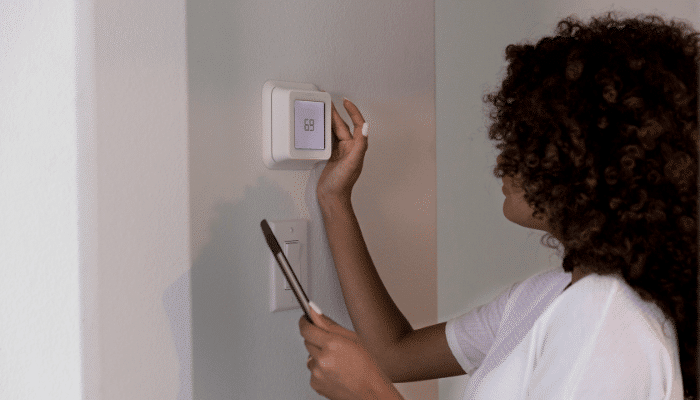
The single best fix for swing season is to stop manually flipping between heat and cool every few hours. Instead, set your thermostat to auto changeover (if it supports it) with a comfortable gap between your heating and cooling setpoints — say, heat at 68° and cool at 76°.
That gap is called a "dead band," and it lets your home coast through normal daily swings without the system fighting itself. When the morning dips into the 50s, the heat nudges on briefly. When the afternoon climbs, the AC takes over. You're not babysitting it, and you're not paying to heat and cool the same room within an hour.
If you're not sure your thermostat is set up correctly, our guide on how to troubleshoot your thermostat walks through the common settings, and this quick video on setting your thermostat to ON or AUTO clears up one of the questions we get most often this time of year.
Should You Upgrade to a Smart Thermostat?
Shoulder season is when a programmable or smart thermostat earns its keep. Instead of manually adjusting for every front that blows through, you can schedule cooler settings overnight and warmer ones during the day — or let a smart model learn your patterns and adjust automatically. If you're weighing whether it's worth it, we broke down the numbers in are Wi-Fi thermostats cost-effective?
When the Real Problem Is Uneven Rooms
Sometimes the "heat or AC" struggle isn't really about the weather — it's that your upstairs is roasting while your downstairs is freezing, no matter what the thermostat says. Fall swings just make it more obvious.
If certain rooms are always fighting the rest of the house, a single thermostat is trying to average out a comfort problem it can't actually solve. That's where a zone control system comes in — it lets you set different temperatures for different areas of your home, so the bedrooms stay cool while the living room stays warm. For homes that battle this every season, it's often a bigger comfort win than any thermostat setting.
Don't Forget Your Indoor Air
Fall in Central Texas also means ragweed, mold spores, and the dust that kicks up every time your system switches modes. Running your fan and keeping a fresh filter in place makes a real difference in how your home feels during allergy season. If anyone in your house is sensitive, it's worth looking at your indoor air quality options before cedar season arrives later this winter.
Get Ahead of the First Cold Snap
The worst time to discover your heat isn't working is the night the first hard front arrives and every HVAC company in Austin is booked solid. A quick seasonal tune-up now makes sure your system is ready to switch modes cleanly — and catches the small stuff before it becomes a no-heat emergency.
Our bi-annual maintenance plan is built around exactly these two transition points in the year, and if you're curious whether it's worth it, here's our honest take on whether HVAC preventative maintenance pays off.
Ready for the season swing? Our NATE-certified technicians can get your system tuned and ready for whatever Austin weather throws at it next.
Schedule Your Fall Tune-Up or call us anytime at 512-600-4311